Skip to content
Can Botox Prevent Wrinkles? Only If Done Correctly
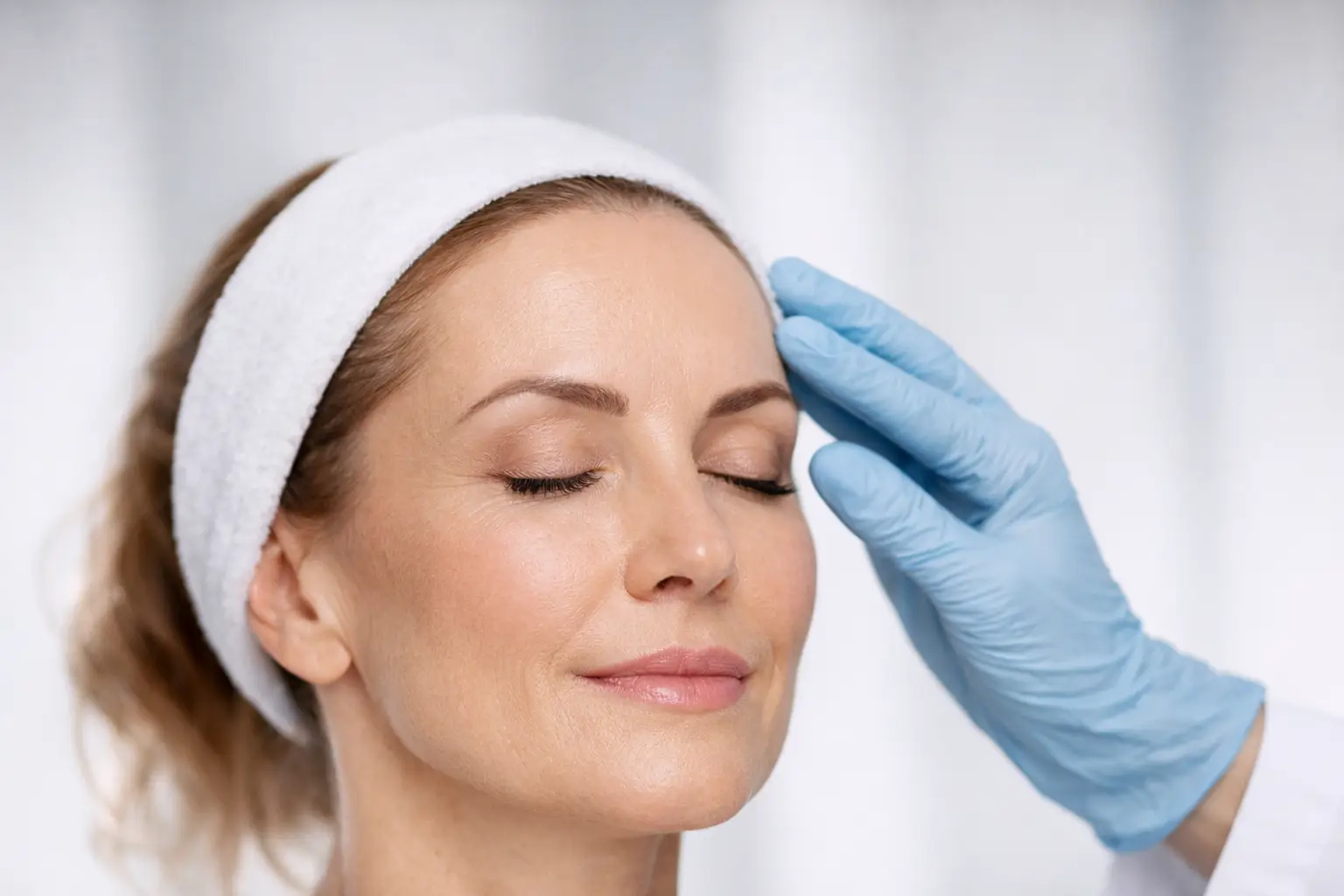
Botox can help prevent wrinkles. However, it only works when it is done correctly.
Many people believe Botox prevents aging by stopping wrinkles before they form. That idea is incomplete. Botox does not pause time, freeze the face, or replace good skin health. Instead, it influences muscle activity, which affects how lines develop over time.
When used with intention and restraint, Botox can support wrinkle prevention. When used aggressively or without planning, it can create imbalance and accelerate visible aging.
What Botox Actually Does
Botox works by reducing excessive muscle contraction.
Repetitive muscle movement contributes to the formation of expression lines. By softening overactive muscles, Botox reduces the mechanical stress that deepens those lines over time.
However, Botox does not eliminate wrinkles entirely. It does not improve skin quality, restore volume, or correct structural imbalance on its own.
For this reason, Botox functions best as part of a broader aesthetic strategy, not as a standalone solution.
Prevention Is Not the Same as Freezing
Wrinkle prevention requires control, not elimination.
When Botox is used to preserve natural movement rather than stop expression entirely, the face remains balanced and expressive. When it is used to aggressively immobilize muscles, compensation often occurs elsewhere.
As a result, other muscles work harder. Lines can deepen in untreated areas. Facial harmony may suffer.
Prevention works best when movement is softened, not erased.
When Botox Helps Prevent Wrinkles
Botox can support wrinkle prevention when it is introduced thoughtfully.
This often includes:
- Targeting specific overactive muscles
- Using conservative dosing
- Preserving natural expression
- Reassessing results over time
When used this way, Botox reduces repetitive strain on the skin and helps slow the progression of dynamic lines.
When Botox Makes Things Worse
Botox can contribute to aging when it is applied without strategy.
Common issues include:
- Over-relaxation of key support muscles
- Frozen or heavy expression
- Compensatory movement in untreated areas
- Loss of facial balance
These outcomes are rarely immediate. Instead, they develop gradually as muscle patterns adapt.
For this reason, prevention depends more on planning than on timing.
Why Timing and Technique Matter More Than Age
There is no universal age to start Botox.
Wrinkle prevention depends on facial movement patterns, skin behavior, and long-term goals, not a number.
Some faces benefit from early, conservative intervention. Others do better with observation and delayed treatment.
Technique matters just as much as timing. The same product can preserve balance or disrupt it depending on how it is used.
The Role of Physician-Led Preventative Botox
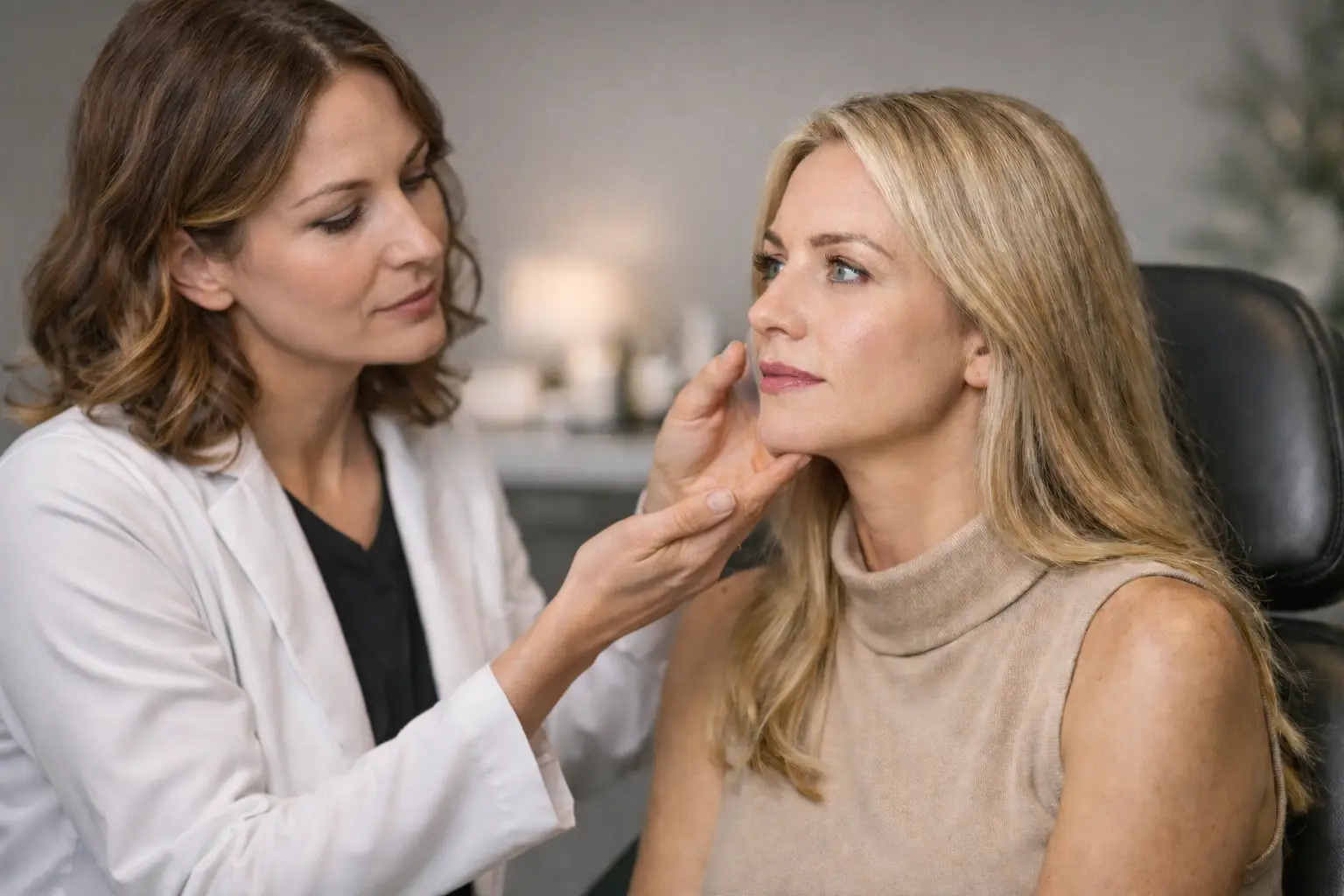
Physician-led Botox planning focuses on anatomy, movement, and restraint.
Rather than chasing lines, this approach evaluates how the face functions as a system. Each treatment supports long-term balance rather than short-term smoothness.
At The Maxim Clinic, preventative Botox is guided by facial assessment and conservative strategy. Treatments remain individualized and evolve as the face changes.
Learn more about our physician-led Botox treatments in Atlanta.
What Wrinkle Prevention Really Requires
Botox does not prevent wrinkles by itself.
It works best when combined with thoughtful planning, proper technique, and realistic expectations.
If you are considering Botox for wrinkle prevention, the most important decision is not when to start.
Botox can help prevent wrinkles. However, it only works when it is done correctly.
Many people believe Botox prevents aging by stopping wrinkles before they form. That idea is incomplete. Botox does not pause time, freeze the face, or replace good skin health. Instead, it influences muscle activity, which affects how expression lines develop over time.
When used with intention and restraint, Botox can support wrinkle prevention. When used aggressively or without planning, it can create imbalance and accelerate visible aging.
What Botox Actually Does
Botox works by reducing excessive muscle contraction.
Repetitive muscle movement contributes to the formation of expression lines. By softening overactive muscles, Botox reduces the mechanical stress that deepens those lines over time.
However, Botox does not eliminate wrinkles entirely. It does not improve skin quality, restore volume, or correct structural imbalance on its own.
For this reason, Botox functions best as part of a broader aesthetic strategy, not as a standalone solution. Understanding how Botox differs from other aesthetic tools is essential. If you are weighing treatment options, this comparison explains the distinction clearly: Dermal Fillers vs Botox.
Prevention Is Not the Same as Freezing
Wrinkle prevention requires control, not elimination.
When Botox is used to preserve natural movement rather than stop expression entirely, the face remains balanced and expressive. When it is used to aggressively immobilize muscles, compensation often occurs elsewhere.
As a result, other muscles work harder. Lines can deepen in untreated areas. Facial harmony may suffer.
Prevention works best when movement is softened, not erased.
When Botox Helps Prevent Wrinkles
Botox can support wrinkle prevention when it is introduced thoughtfully.
This often includes:
- Targeting specific overactive muscles
- Using conservative dosing
- Preserving natural expression
- Reassessing results over time
When used this way, Botox reduces repetitive strain on the skin and helps slow the progression of dynamic lines.
When Botox Makes Things Worse
Botox can contribute to visible aging when it is applied without strategy.
Common issues include:
- Over-relaxation of key support muscles
- Frozen or heavy expression
- Compensatory movement in untreated areas
- Loss of facial balance
These outcomes are rarely immediate. Instead, they develop gradually as muscle patterns adapt.
For this reason, prevention depends more on planning than on timing.
Why Timing and Technique Matter More Than Age
There is no universal age to start Botox.
Wrinkle prevention depends on facial movement patterns, skin behavior, and long-term goals, not a number.
Some faces benefit from early, conservative intervention. Others do better with observation and delayed treatment.
Technique matters just as much as timing. The same product can preserve balance or disrupt it depending on how it is used.
Botox vs Fillers: Choosing the Right Tool
Botox and dermal fillers are often discussed together, but they serve different purposes.
Botox reduces muscle-driven motion. Fillers restore volume and structural support. Choosing the wrong tool—or combining them without a plan—can lead to results that feel heavy or unnatural.
If you are deciding between these treatments, this guide offers a clear framework: Lip Fillers vs Botox: Which One Is Best for You?.
For those exploring filler treatment more broadly, this article addresses common expectations and misconceptions with clarity: The Truth About Lip Fillers.
The Role of Physician-Led Preventative Botox
Physician-led Botox planning focuses on anatomy, movement, and restraint.
Rather than chasing lines, this approach evaluates how the face functions as a system. Each treatment supports long-term balance rather than short-term smoothness.
At The Maxim Clinic, preventative Botox is guided by facial assessment and conservative strategy. Treatments remain individualized and evolve as the face changes.
Learn more about our physician-led Botox treatments in Atlanta.
Safety Still Matters
Even when results are subtle, injectable treatments are medical care. Education, technique, and oversight remain essential.
If you are considering fillers alongside Botox, it is important to understand potential reactions and how they are managed. This resource explains what to know: Unexpected Allergic Reactions from Lip Fillers.
What Wrinkle Prevention Really Requires
Botox does not prevent wrinkles by itself.
It works best when combined with thoughtful planning, proper technique, and realistic expectations.
If you are considering Botox for wrinkle prevention, the most important decision is not when to start.
It is who is guiding the plan.
Schedule a private consultation with The Maxim Clinic.
Prevention works when balance comes first.