Skip to content

What Long-Term Aesthetic Planning Looks Like in Practice

How physician-guided pacing supports natural, consistent results over time.
In aesthetic medicine, the most important decisions are rarely the most obvious ones.
While many patients focus on which treatment they’re considering, long-term outcomes are more often shaped by how decisions are sequenced, paced, and revisited over time. This is what clinicians refer to as long-term aesthetic planning—a structured, medically guided approach to care that prioritizes consistency, balance, and appropriateness as the body changes.
Understanding what this approach looks like in practice can help patients make more informed decisions and feel more confident during consultations.
What “Long-Term Planning” Actually Means
Long-term aesthetic planning is not about doing more treatments or committing to an aggressive schedule. Instead, it focuses on aligning care with how facial anatomy responds over time.
This approach typically includes:
Evaluating changes gradually rather than all at once
Sequencing treatments in a deliberate order
Allowing time to assess how previous interventions settle
Rather than aiming for immediate visible change, the goal is to support outcomes that remain natural and proportionate as months—and years—pass.
Why Pacing Matters in Aesthetic Care
Pacing is a clinical consideration, not a preference.
Tissue response, product integration, and facial balance all evolve over time. When treatments are spaced appropriately, clinicians are better able to:
Observe how results stabilize
Avoid cumulative effects that may alter expression
Adjust future recommendations based on real response rather than assumptions
In some cases, allowing more time between interventions can help preserve natural movement and prevent overcorrection—particularly when considering how pacing influences injectable recommendations over time.
How Physician Oversight Shapes Decision-Making
Physician involvement in aesthetic care provides a medical framework for evaluating risk, appropriateness, and timing.
This oversight often influences:
When treatment is recommended
When observation is preferred
Which interventions are deferred or avoided
Rather than focusing on isolated procedures, physician-guided care considers overall health history, anatomy, and long-term impact. This perspective supports decisions that remain appropriate as circumstances change.
The Importance of Continuity Over Time
Seeing the same practice consistently allows clinicians to recognize patterns that may not be apparent in a single visit.
Continuity supports:
More accurate assessment of progression
Thoughtful adjustments instead of reactive changes
Greater consistency in recommendations
Over time, this approach helps maintain balance rather than chasing correction.
What Patients Should Expect During a Long-Term Consultation
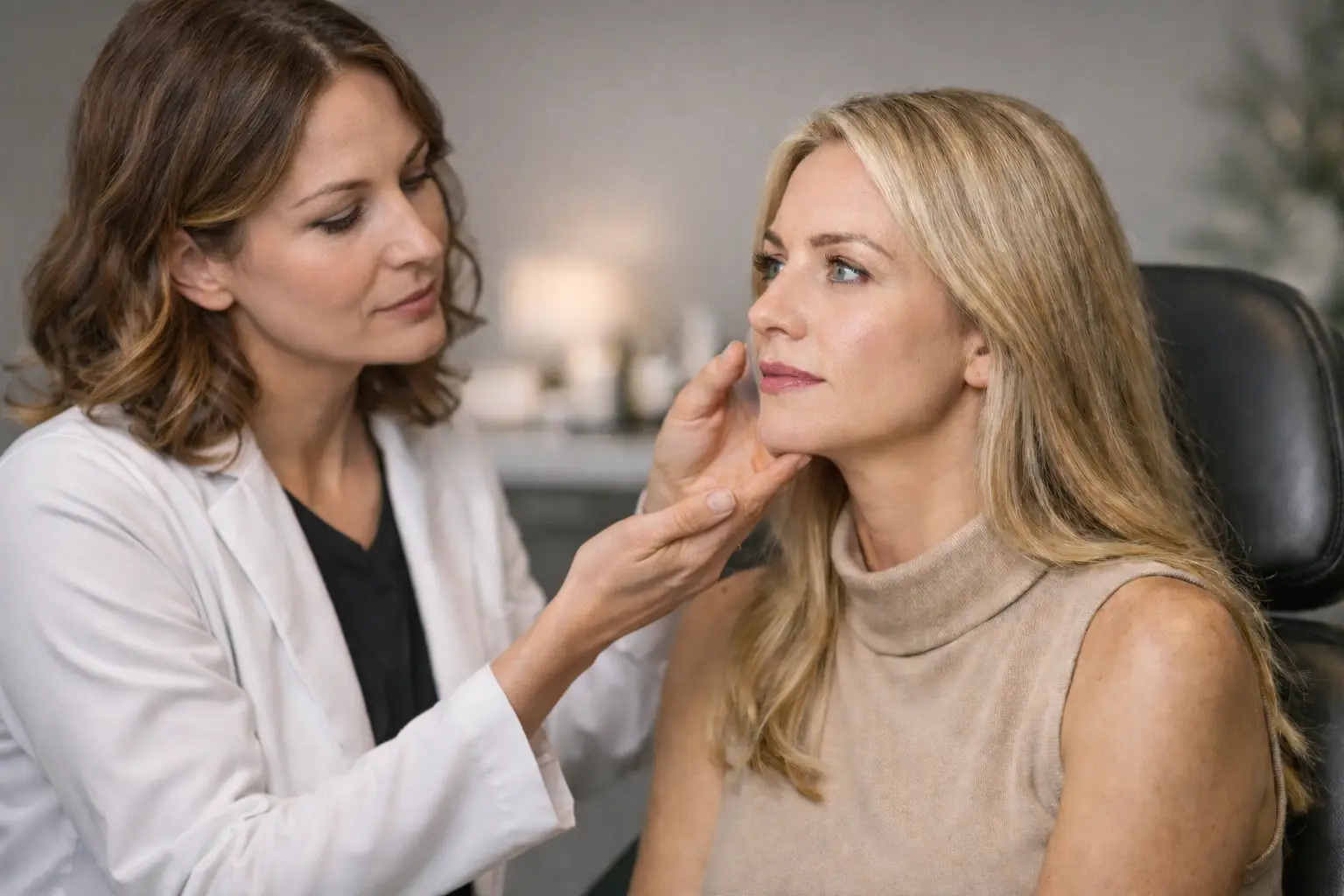
Consultations focused on long-term planning often feel different from transactional appointments.
Patients may notice:
More discussion than treatment on initial visits
Questions about goals beyond the current concern
Explanations that include what may be postponed or unnecessary
These conversations are designed to support informed decision-making, not urgency—and often begin with understanding how a consultation is structured before any treatment decisions are made.
Questions Patients Can Ask
Patients who want to understand whether care is being approached thoughtfully may consider asking:
“How does this fit into a longer-term plan?”
“What should we reassess before doing more?”
“How will we evaluate this result over time?”
Clear answers to these questions often indicate a structured, patient-centered approach.
Choosing Care That Supports You Over Time
Aesthetic medicine is personal, and outcomes vary based on anatomy, goals, and medical history. Long-term planning helps ensure that decisions made today remain appropriate in the future.
By understanding how pacing, oversight, and continuity influence care, patients can better evaluate which approach aligns with their expectations—and feel more confident choosing a physicain-guided approach to aesthetic care designed to support them over time.
Frequently Asked Questions
What is long-term aesthetic planning?
Long-term aesthetic planning is a physician-guided approach that considers pacing, sequencing, and continuity of care over time. Rather than focusing on a single treatment, it evaluates how decisions today may affect balance and appropriateness in the future.
How does physician oversight affect aesthetic decision-making?
Physician oversight provides a medical framework for evaluating timing, risk, and suitability. This perspective can influence when treatment is recommended, when observation is preferred, and how care is adjusted as needs change.
Long-term aesthetic planning is a physician-guided approach that considers pacing, sequencing, and continuity of care over time. Rather than focusing on a single treatment, it evaluates how decisions today may affect balance and appropriateness in the future.
Physician oversight provides a medical framework for evaluating timing, risk, and suitability. This perspective can influence when treatment is recommended, when observation is preferred, and how care is adjusted as needs change.